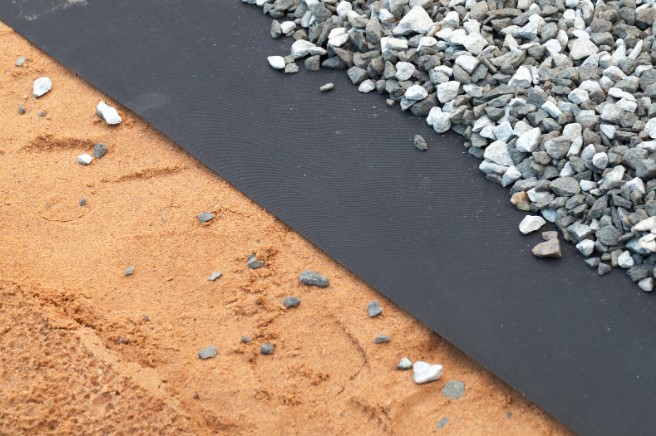
Choosing the right geotextile is a crucial step when planning any infrastructure or landscaping project. Whether reinforcing roads in the Kazakh steppe, protecting riverbanks from erosion, or constructing a reliable drainage system, proper material selection saves time, enhances durability, and reduces maintenance. The market offers a wide range of options; for example, at Kraska.kz geomaterials can be explored for various applications, making it easier to match your requirements with suitable products. Understanding geotextile types and uses is essential in Kazakhstan, where soil, climate, and construction needs often differ from Western projects. This guide outlines what beginners must know to make informed decisions, ensuring your project’s foundation is as strong as the materials you choose.
Understanding the Role of Geotextile in Modern Construction Projects
Geotextile has become indispensable in contemporary construction, infrastructure, and landscaping throughout Kazakhstan. Used under roads, beneath railways, in retaining walls, or as part of advanced drainage systems, geotextile reinforces ground stability and extends the lifecycle of entire projects. Its primary function is to provide separation, filtration, drainage, reinforcement, or protection–sometimes all at once–in diverse soil and weather conditions.
In Kazakhstan’s rapidly developing cities and rural areas, road construction demands materials that can handle heavy loads and harsh temperature shifts. Geotextile strengthens base layers and prevents soil migration that often plagues unpaved roads or parking zones. In landscaping, it suppresses weeds, stabilizes slopes, and preserves the integrity of embankments along rivers and canals.
Choosing the correct geotextile type means understanding the demands of your specific project. For instance, woven geotextiles feature strength and low elongation, making them ideal for separation and reinforcement–excellent under roads and foundations. Nonwoven options, with superior permeability, excel in drainage and filtration around pipelines or in green infrastructure, such as artificial ponds and sports fields. Specialty geotextiles further extend capabilities, offering resistance to chemicals or ultraviolet exposure, which is especially relevant in the sunbaked, saline soils of Kazakhstan’s southern regions.
Local regulatory standards also influence material selection. Be sure to comply with GOST and SNIP guidelines where applicable, and always verify that the materials you purchase can withstand local climate extremes. This diligence ensures not only immediate project success but long-term savings in repairs and maintenance.
How to Select the Best Geotextile for Roads, Landscaping, and Drainage in Kazakhstan
Making the right choice among geotextile types and uses begins with evaluating your project’s functional requirements. Start by defining the main objectives: Are you aiming for soil stabilization, efficient drainage, erosion control, or a combination? Road and highway construction, for instance, typically prioritize strength and durability, while landscaping projects may focus on permeability or ease of installation.
Strength and Load Capacity
Kazakhstan’s infrastructure must withstand not just traffic loads but also freeze-thaw cycles and ground movement. Woven geotextiles, made from high-tenacity polypropylene or polyester, offer superior tensile strength. They are best suited for heavy-duty tasks such as reinforcing the base of highways, airfields, and loading areas. These materials reduce rutting and extend pavement life, critical in rural regions where maintenance is less frequent.
Drainage and Filtration
For applications involving water movement–drainage trenches, sports fields, or retaining walls–nonwoven geotextiles are preferred. Made by bonding fibers mechanically or thermally, they offer excellent permeability, ensuring water passes through while trapping soil particles. This keeps drainage systems functional, especially during Kazakhstan’s spring thaws and heavy rains.
Environmental Conditions
Harsh winters and dry, hot summers place unique demands on materials. Look for geotextiles with UV and frost resistance if exposure is prolonged or if you’re working near brine-affected areas. Ensure materials are certified for chemical resistance if installed near mining or industrial sites.
Ease of Installation
Large-scale infrastructure projects benefit from wide rolls and robust materials that withstand mechanical installation. For landscaping or home gardens, softer, lighter nonwoven materials are easier to cut and place, saving time and labor.
Cost and Delivery Logistics
Factor in not just the per-square-meter price, but also delivery costs and minimum order quantities. When ordering geotextiles with delivery across Kazakhstan, select suppliers with proven logistics and consistent stock availability. While low price might appeal, quality and reliable shipping ensure the material arrives intact and ready for installation.
For detailed product specifications and up-to-date availability, the company Kraska.kz provides an extensive catalog and delivery options tailored to customers across Kazakhstan, making sourcing for major or minor projects efficient and straightforward.
Key Geotextile Types and Their Uses: Woven vs Nonwoven Materials
After defining your project requirements, the next step is to compare geotextile types and uses, focusing on performance characteristics relevant to Kazakhstan’s conditions.
Woven Geotextile
Crafted by interlacing polypropylene or polyester yarns, woven geotextiles are strong yet less permeable. Their main application is in areas requiring high tensile strength–roadbeds, parking lots, and embankment reinforcement. They effectively separate fine subgrade from coarse base aggregates, preventing rutting and subsidence.
Nonwoven Geotextile
Formed by bonding synthetic fibers, nonwoven geotextiles are valued for their high permeability. They are used in drainage layers, erosion control, and situations where filtration matters more than load-bearing. Examples include wrapping drainage pipes, lining ditches, or supporting green roofs.
Specialty Geotextile
Some projects demand unique solutions. Geogrids reinforce steep slopes or retaining walls, while composite geotextiles integrate membranes or protection layers for hazardous sites.
Comparing Properties via a Simple Checklist:
- Strength: Woven excels for load-bearing, nonwoven for flexibility.
- Permeability: Nonwoven allows freer water flow.
- UV Resistance: Essential for outdoor, exposed uses.
- Chemical Resistance: Important for industrial zones.
- Cost: Woven tends to be pricier but lasts longer under stress.
With Kraska.kz offering a variety of options, the optimal choice hinges on matching product specifications to project needs–not just defaulting to the cheapest or most popular variant.
Step-by-Step Guide: How to Order and Install Geotextile with Delivery Across Kazakhstan
For both seasoned professionals and new builders, the process of ordering and installing geotextile becomes seamless when working with experienced suppliers such as Kraska.kz.
-
Project Assessment
- Measure your site and determine exact coverage requirements.
- Consult local standards and engineering advice to select specifications.
-
Product Selection
- Review product datasheets for material composition, strength, and permeability.
- Choose between woven or nonwoven based on site needs.
-
Ordering and Logistics
- Contact suppliers early and confirm delivery timelines, especially for remote regions.
- Plan for on-site storage to protect materials from sun and weather until installation.
-
Installation
- Prepare the foundation: clear debris, level surfaces, and compact soil.
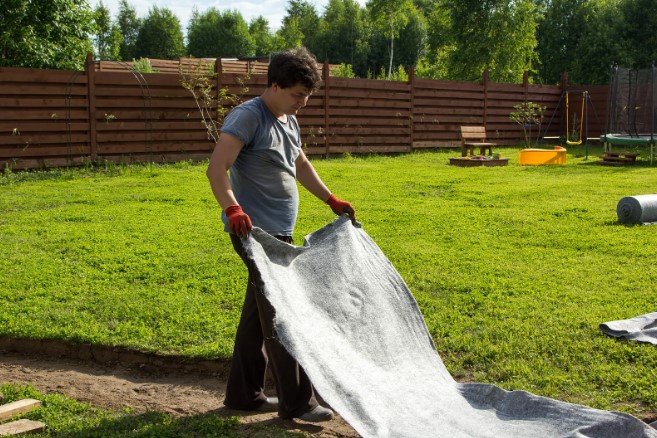
- Lay out geotextile smoothly, overlapping edges by 15-30 cm to prevent gaps.
- Anchor with pins or gravel, avoiding wrinkles and folds.
- Backfill or cover according to engineering guidelines.
-
Maintenance
- Inspect exposed areas regularly for UV degradation or mechanical damage.
By following these steps, you ensure a reliable, hassle-free application that maximizes the lifespan and performance benefits of quality geomaterials.
Common Mistakes to Avoid When Selecting and Installing Geotextiles
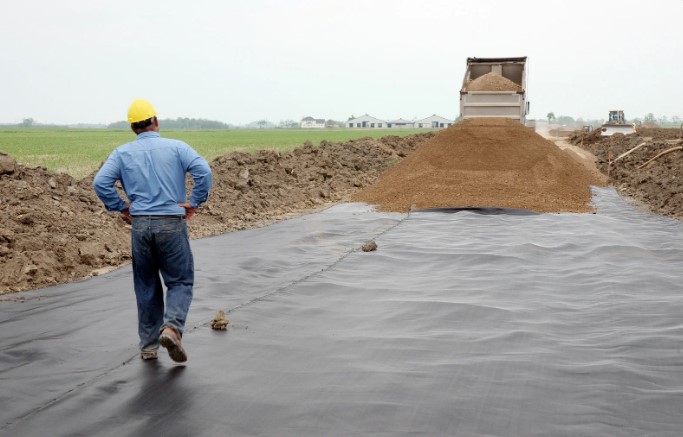
The effectiveness of geotextile depends not only on material selection but also on adherence to best practices during installation. One frequent error is underestimating project loads, leading to premature fabric failure or insufficient support. Neglecting to overlap seams or anchor the fabric securely can cause soil leakage and compromise drainage. Choosing geotextile without proper certification or documentation is another risk–always prioritize verified products from reputable suppliers.
In Kazakhstan’s variable climate, avoid using non-UV-resistant materials in exposed locations, and never skip professional advice when in doubt about geotextile types and uses. Regular inspection and prompt repair of any damage will keep your project functioning optimally for years.
Future-Proofing Your Projects with the Right Geotextile Choice
A well-chosen geotextile provides lasting benefits for infrastructure, landscaping, and drainage projects throughout Kazakhstan. By understanding the differences between woven, nonwoven, and specialty materials, carefully assessing site requirements, and working with experienced suppliers, builders and engineers ensure durable performance and sustainable development. Let your next project begin with a strong, reliable geotextile foundation.